Industrial maintenance, Oil monitoring

Common industrial maintenance problems due to oil contamination

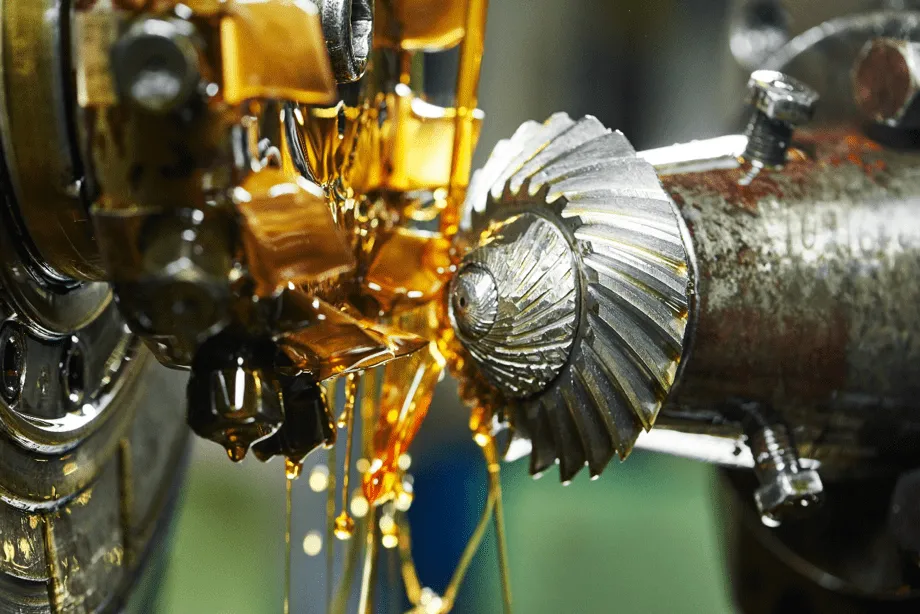
Lubricating and hydraulic oil is the “lifeblood” of industrial machinery. However, in the harsh environment of a manufacturing plant, this vital fluid is constantly exposed to invaders: contaminants.

It is estimated that 70% to 80% of failures in hydraulic and lubrication systems are directly caused by oil contamination. Ignoring this fact is a recipe for operational and financial disaster.

Types of contaminants

Contamination is not always visible, but its effects certainly are. To combat this issue, we must first identify them:

  • Solid particles: They are the most common contaminants, acting as abrasives that erode precision surfaces in pumps, valves, and bearings. Beyond mechanical damage, they act as catalysts that accelerate the chemical oxidation of the oil. Their origin can be external (dust and environmental dirt) or internal (wear particles generated by the machine’s own operation).
  • Water (Moisture): The second most destructive contaminant. It drastically reduces the load-carrying capacity of the lubricant film, allowing metal-to-metal contact. Furthermore, it promotes oil oxidation and causes corrosion in internal steel components.
  • Air: Air can enter the system through leaks or excessive agitation. It causes foaming, which reduces fluid compressibility, compromising the precision and power of hydraulic systems.

Critical consequences and machinery damage

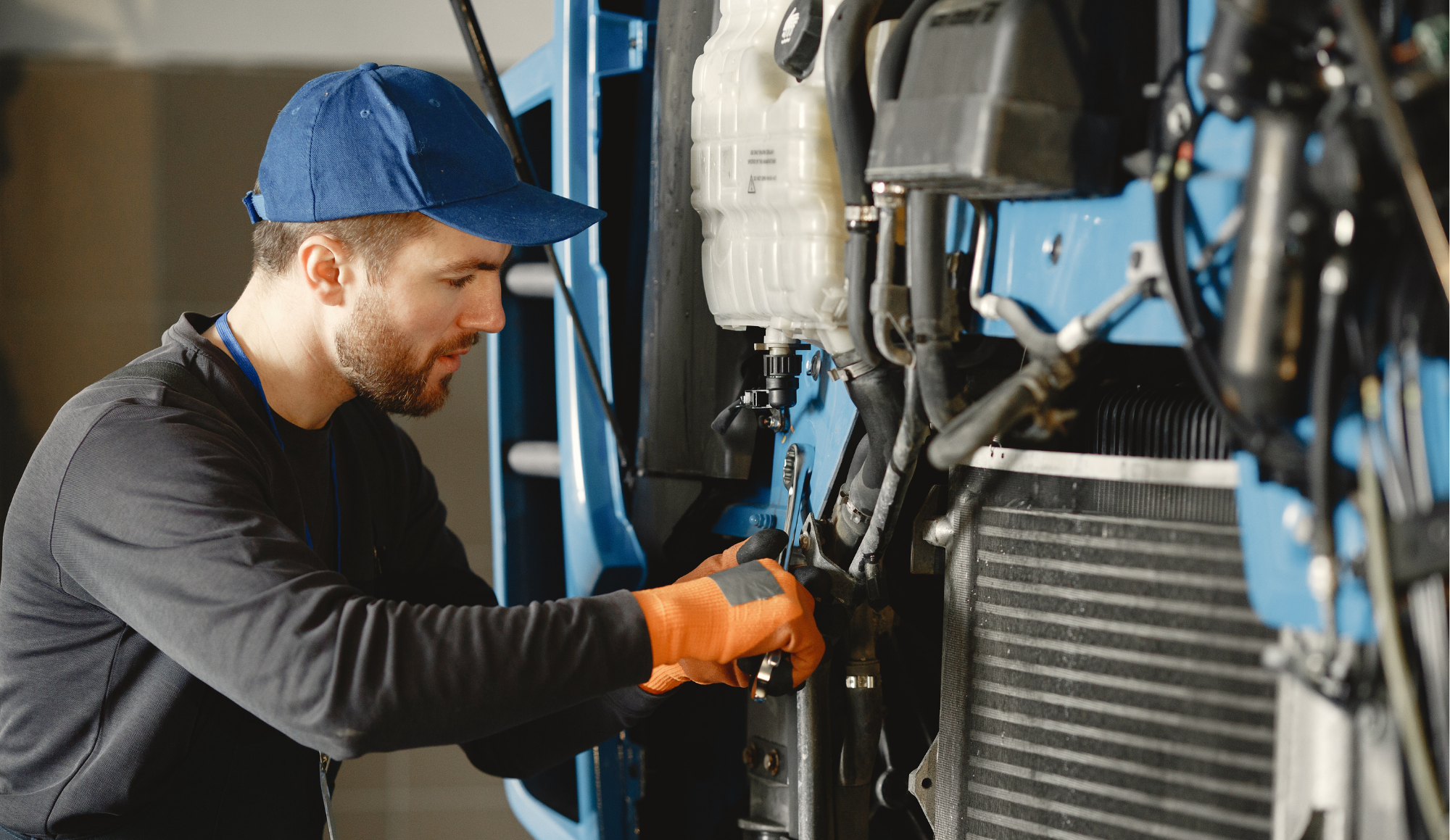
Contaminated oil erodes the service life of your machinery. Common problems arising from poor contamination control include:

Abrasive and adhesive wear

Solid particles trapped between moving parts act like sandpaper, scratching and wearing down surfaces. When water thins the oil film, metal-to-metal contact occurs, causing surface micro-tearing.

Cavitation damage

This occurs when air bubbles implode inside pumps and valves. These micro-explosions tear material from metal surfaces, creating craters and pitting that weaken components.

Varnish and sludge formation

Oil oxidation, accelerated by heat, water, and metal particles, creates sticky chemical byproducts known as varnish. These deposits stick to servo-valves, causing them to seize and leading to control failures.

Filter clogging

Excessive contaminants saturate filters quickly. Without proactive maintenance, oil will circulate unfiltered, multiplying damage throughout the system.

From reactive to proactive maintenance

Simply changing the oil when it looks dark is not enough. An integrated strategy is required:

  1. Establish ISO cleanliness targets (ISO 4406): There is no such thing as a universally “clean” oil. Each component has specific cleanliness requirements. Use the ISO 4406 code to set and monitor these targets.
  2. Periodic oil sampling and analysis: Consider this the “blood work” of your machinery.
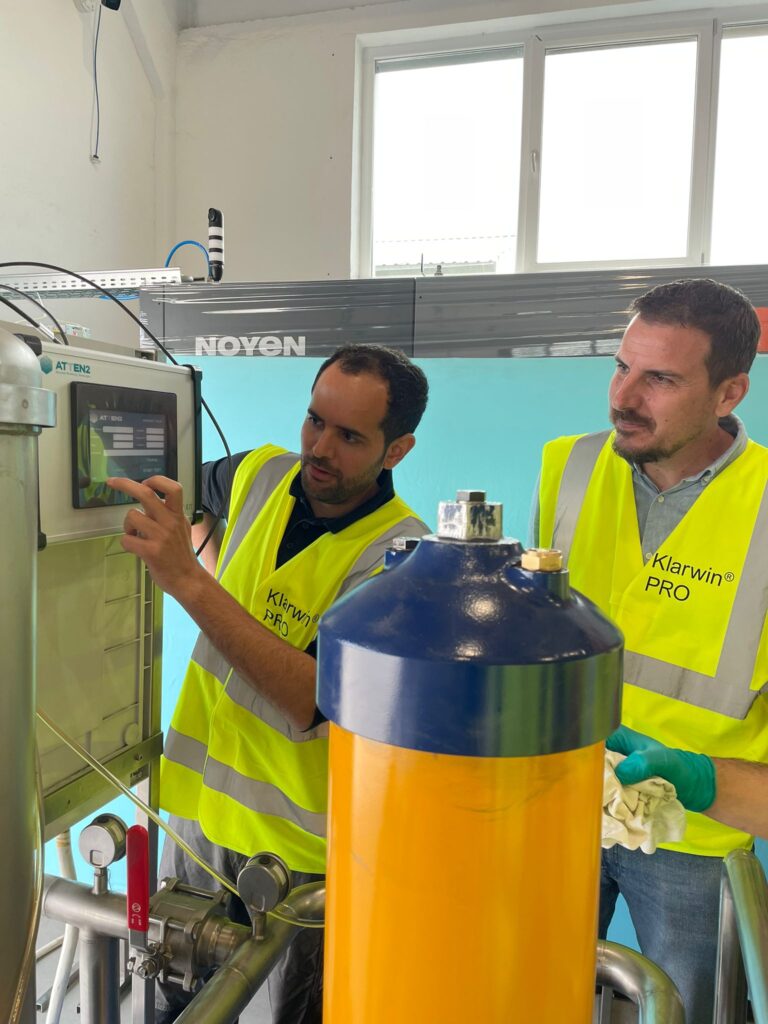
  3. Online condition monitoring: The frontier of predictive maintenance. Installing sensors allows for continuous measurement of various parameters in real-time.
  4. High-efficiency filtration control: Use high-quality filters with the appropriate micron rating for your specific system.
  5. Use of desiccant breathers: Install desiccant breathers to trap moisture and particles from the incoming air.

Conclusion

Oil contamination is not an inevitable fate, but a challenge that must be actively managed. A proactive maintenance program focused on strict fluid cleanliness is one of the most profitable investments for any industrial plant. The benefits are clear: increased machinery uptime, lower repair costs, and an extended service life for your assets.

[ Knowledge ] centre

Latest related posts

[ SEE MORE ]

Only vibrations? The “blind spot” risking your critical machinery

Many predictive maintenance experts rely heavily on vibration analysis. It makes sense: it tells us…
[ SEE MORE ]

Water: A challenge in the lubrication of critical paper machinery

The paper industry operates in demanding environments: wet processes, high temperatures, and equipment running at…
[ SEE MORE ]

From months to seconds: How oil sensors are transforming real-time monitoring

Oil doesn’t just lubricate: it protects, cools, cleans, and, most importantly, informs. Its condition reveals…
[ SEE MORE ]

The Critical Role of Particle Counting in the Oil & Gas Industry: Why You Can’t Afford to Ignore It

In the oil & gas sector, equipment reliability is paramount, especially given the high cost…