Predictive Maintenance, Proactive Maintenance

From preventive to predictive and proactive maintenance: The path to eliminating failures before they happen

For decades, many organizations have managed their assets under two main approaches: repairing equipment when it breaks down or performing maintenance according to predefined schedules. While both models represented an improvement over simply reacting to breakdowns, today’s demands for competitiveness, availability, and efficiency are driving a new evolution: predictive maintenance and, especially, proactive maintenance.

The goal is no longer simply to repair equipment faster or perform more maintenance activities. The real challenge is to prevent failures from occurring in the first place.


The problem with waiting for something to fail

Reactive maintenance involves taking action after a breakdown has occurred. Although it may seem like a way to maximize equipment usage, it often results in high costs, unplanned downtime, operational stress, and reduced asset reliability.

Organizations trapped in this model typically devote a large portion of their resources to “putting out fires,” spending time and budget correcting consequences rather than eliminating causes.

Preventive maintenance: A step forward

To reduce the risk of failures, many companies adopted preventive maintenance programs based on operating hours, fixed schedules, or manufacturer recommendations.

This approach brings structure and planning, but it has a significant limitation: interventions are performed regardless of the equipment’s actual condition. As a result, components may be replaced while they still have useful life remaining or, conversely, failures may occur before the scheduled maintenance date.

The shift to predictive maintenance

Predictive maintenance completely changes the question.

Instead of asking: “When is maintenance due?”

Organizations begin asking: “What is the actual condition of the asset, and when is there a risk of failure?”

Predictive maintenance is the set of monitoring and diagnostic activities designed to anticipate component degradation and enable corrective action before a failure occurs.

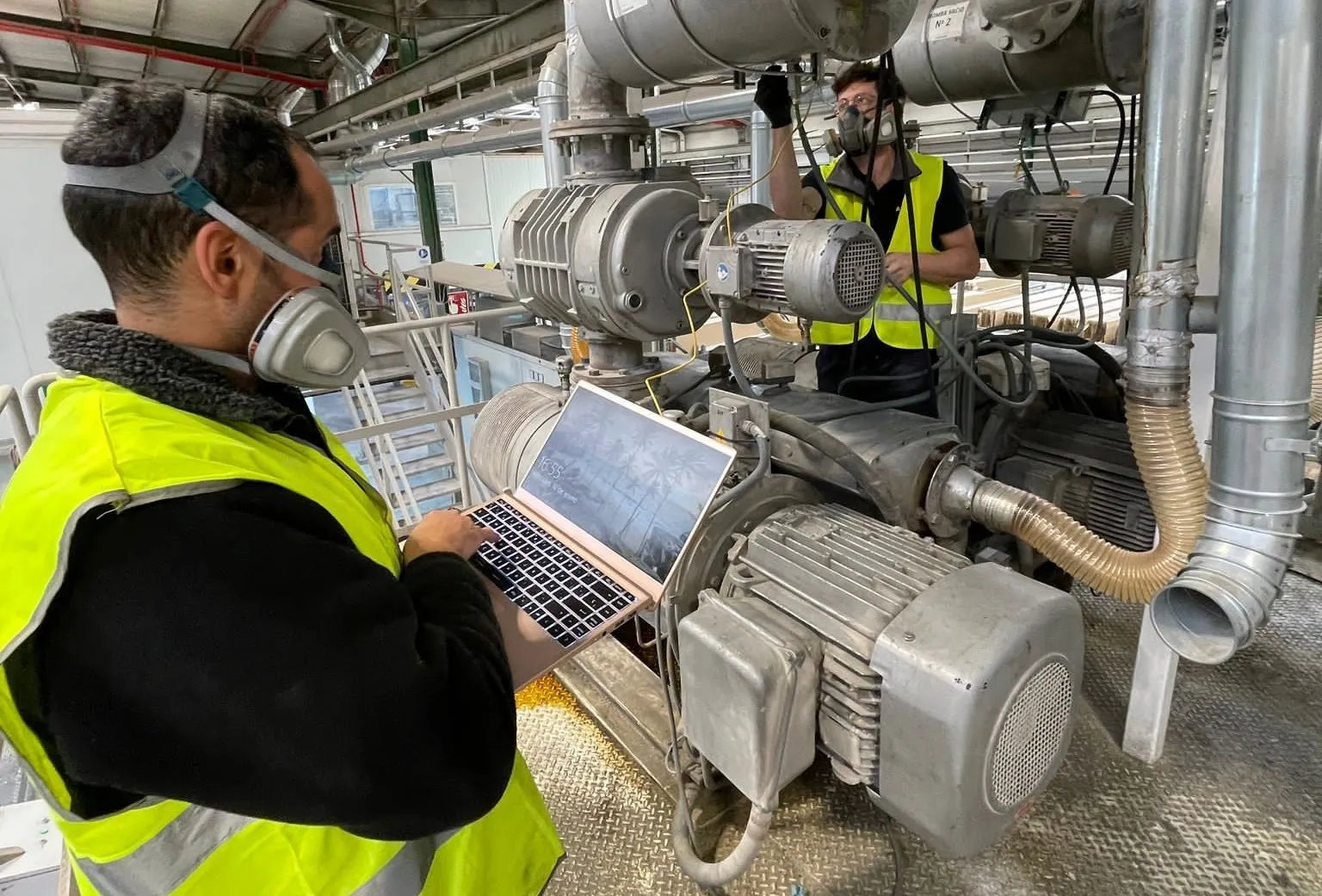
To achieve this, technologies such as vibration analysis, infrared thermography, oil analysis, and others are used. Thanks to these tools, maintenance teams can detect anomalies at an early stage and schedule interventions only when they are truly needed.

The benefits are clear:

  • Fewer unplanned shutdowns.
  • Greater asset availability.
  • Optimized spare parts inventory.
  • Lower maintenance costs.
  • Extended equipment life.

The next level: Proactive maintenance

While predictive maintenance allows organizations to detect failures before they occur, proactive maintenance goes one step further by identifying and eliminating the root causes of failure, preventing them from recurring.

The distinction is fundamental:

  • Predictive maintenance detects that a problem is beginning to develop.
  • Proactive maintenance eliminates the source of that problem.

This shift in mindset transforms maintenance from a corrective function into a strategic driver of reliability.

The goal: A failure elimination culture

The most advanced organizations no longer measure success solely by the number of repairs completed or how quickly they respond to a breakdown.

Instead, they focus on indicators such as:

  • Reduction of recurring failures.
  • Asset availability.
  • Operational reliability.
  • Total equipment life cycle cost.
  • Systematic elimination of root causes.

When a company combines predictive monitoring, condition-based analysis, and proactive root-cause-focused actions, failures cease to be inevitable events and become increasingly rare exceptions.

[ Knowledge ] centre

Latest related posts

[ SEE MORE ]

Common industrial maintenance problems due to oil contamination

Lubricating and hydraulic oil is the “lifeblood” of industrial machinery. However, in the harsh environment…
[ SEE MORE ]

Only vibrations? The “blind spot” risking your critical machinery

Many predictive maintenance experts rely heavily on vibration analysis. It makes sense: it tells us…
[ SEE MORE ]

Water: A challenge in the lubrication of critical paper machinery

The paper industry operates in demanding environments: wet processes, high temperatures, and equipment running at…
[ SEE MORE ]

From months to seconds: How oil sensors are transforming real-time monitoring

Oil doesn’t just lubricate: it protects, cools, cleans, and, most importantly, informs. Its condition reveals…