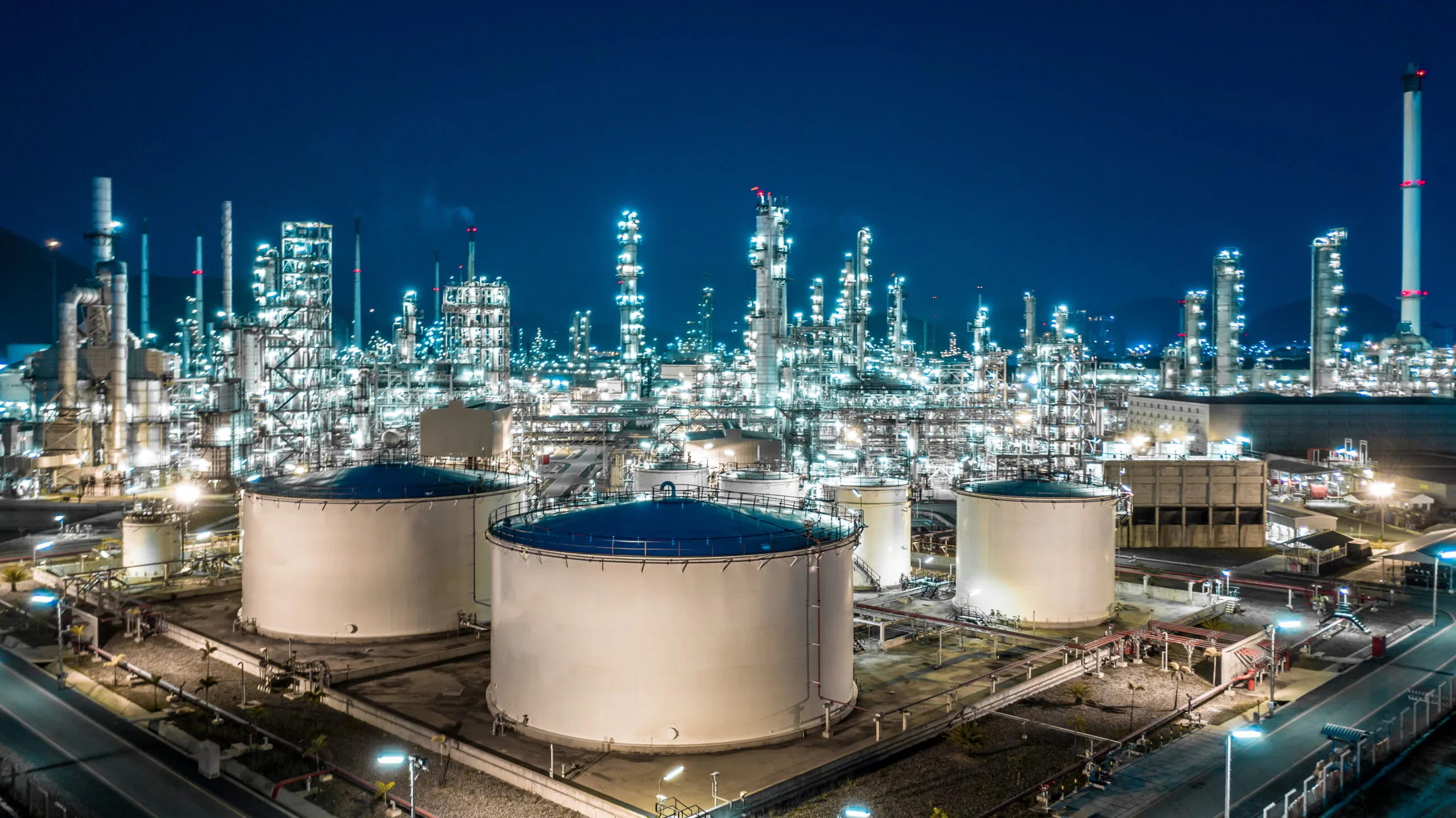
The Silent Lung in Explosive Environments: Compressors and Lubricated Equipment in ATEX Zone 2 / Class I, Division 2 Areas

In facilities where hydrocarbons or flammable gases are handled, such as refineries, chemical plants, or logistics terminals every piece of equipment that rotates, pumps, or compresses is more than just a functional component: it is a critical node for safety and operational continuity. This is especially true for industrial compressors operating in classified areas such as ATEX Zone 2 or Class I, Division 2, Groups C-D, T4 in the United States.

Though often invisible, these systems are essential: they supply compressed air to valves, pneumatic processes, cleaning systems, or instrumentation. Without them, the plant comes to a halt. But in potentially explosive atmospheres, their failure can bring much greater risks, from unplanned shutdowns to safety incidents.

Why Are They Critical in Classified Areas?

ATEX Zone 2 and Class I, Div. 2 areas are characterized by the occasional presence of explosive atmospheres. This means that all installed machinery must meet additional requirements in terms of design, insulation, surface temperature, and reliability.

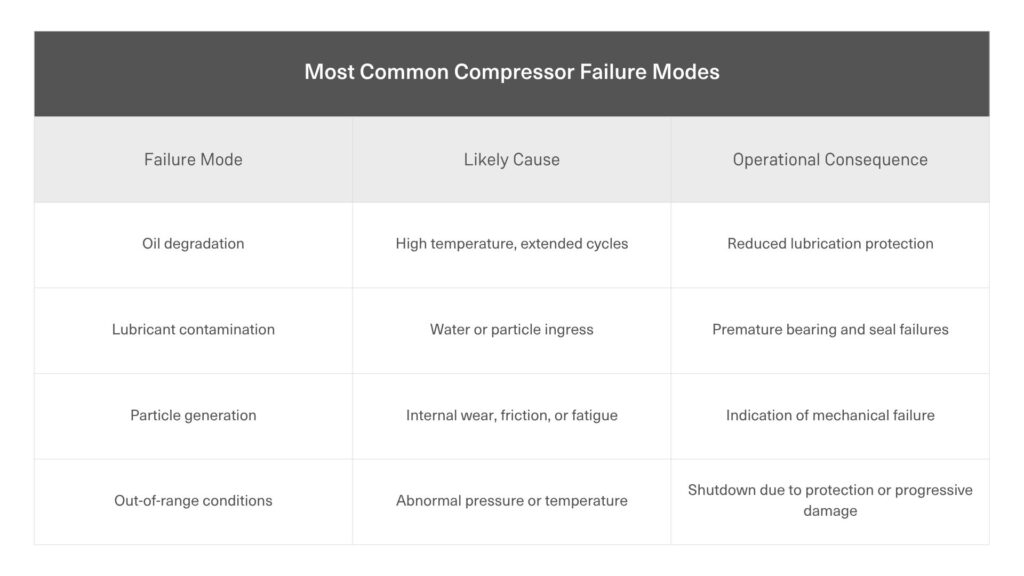
A compressor that overheats, vibrates outside acceptable ranges, or leaks oil can quickly evolve from an operational issue into a real hazard. The requirement here isn’t just technical, it’s preventive.

Lubricant as a Tool for Predicting Failures

The oil flowing through these systems is more than just a fluid: it’s a natural sensor reflecting the compressor’s internal condition. If properly monitored, it can provide weeks of early warning for impending failure modes.

An advanced online lubricant analysis system—with the capability to identify particles by shape and size, separate air bubbles, and detect dissolved or free water—enables the following:

  • Detect wear from abrasion, fatigue, or friction.
  • Avoid false alarms caused by cavitation or foaming.
  • Precisely adjust oil change intervals.
  • Reduce unplanned downtime in environments where every second counts.

Critical Lubricated Machinery in ATEX Zone 2 / Class I, Div. 2

Besides compressors, there are multiple lubricated assets in such environments whose reliability is essential. Some of the most important include:

  • Gearboxes and reducers: critical power transmission in conveyors, mixers, or agitators.
  • Centrifugal or positive displacement pumps: essential for transferring flammable fluids.
  • Electric motors with lubricated bearings: found in nearly all rotating systems.
  • Turbines and turbo-compressors: operating at high speeds in compression or power generation processes.
  • Industrial agitators: submerged in chemical or oil processes.
  • Industrial fans and extractors: maintain safe atmospheres in areas with flammable vapors.
  • Mills or crushers: in hazardous or chemical waste treatment plants.

All these machines share a common risk: if they fail, they don’t just stop the process, they can create an unsafe situation. That’s why anticipation is essential.

A Transferable Case: Compressors in the Automotive Industry

In a large industrial complex within the automotive sector, six critical screw compressors were equipped with online oil analysis sensors. These sensors not only quadrupled the lubricant’s service life but also helped detect failure conditions before they occurred, optimizing maintenance and significantly reducing operating costs.

Although this case was not in an ATEX environment, its lessons are highly applicable: in safety-critical settings, knowing the internal condition of a compressor without opening or stopping it is both a competitive advantage and a guarantee of operational continuity.

Compressors and other lubricated equipment in ATEX Zone 2 or Class I, Division 2 areas cannot afford to fail, not for safety reasons, nor from a cost perspective.

Implementing real-time lubricant monitoring systems not only improves efficiency and extends asset life, it safeguards business continuity.

In these environments, reactive maintenance is no longer enough. Only precise, continuous diagnostics, based on the silent language of oil, allow for proactive action and the protection of what matters most: safety, production, and industrial reputation.

[ Knowledge ] centre

Latest related posts

[ SEE MORE ]

The Centrifugal Compressor: The Rotating Heart of the Plant That Cannot Fail

In Oil & Gas facilities, few pieces of equipment have as much operational impact as…
[ SEE MORE ]

What the Most Experienced Maintenance Leaders Do Differently in Classified Areas

In a typical industrial plant, a mechanical failure may just be a production issue. In…
[ SEE MORE ]

What should you demand from a particle analysis system when working with compressors, pumps, or gearboxes in explosive environments?

In industrial environments classified as ATEX Zone 2 or Class I, Division 2 (Groups C-D,…
[ SEE MORE ]

The Critical Role of Particle Counting in the Oil & Gas Industry: Why You Can’t Afford to Ignore It

In the oil & gas sector, equipment reliability is paramount, especially given the high cost…