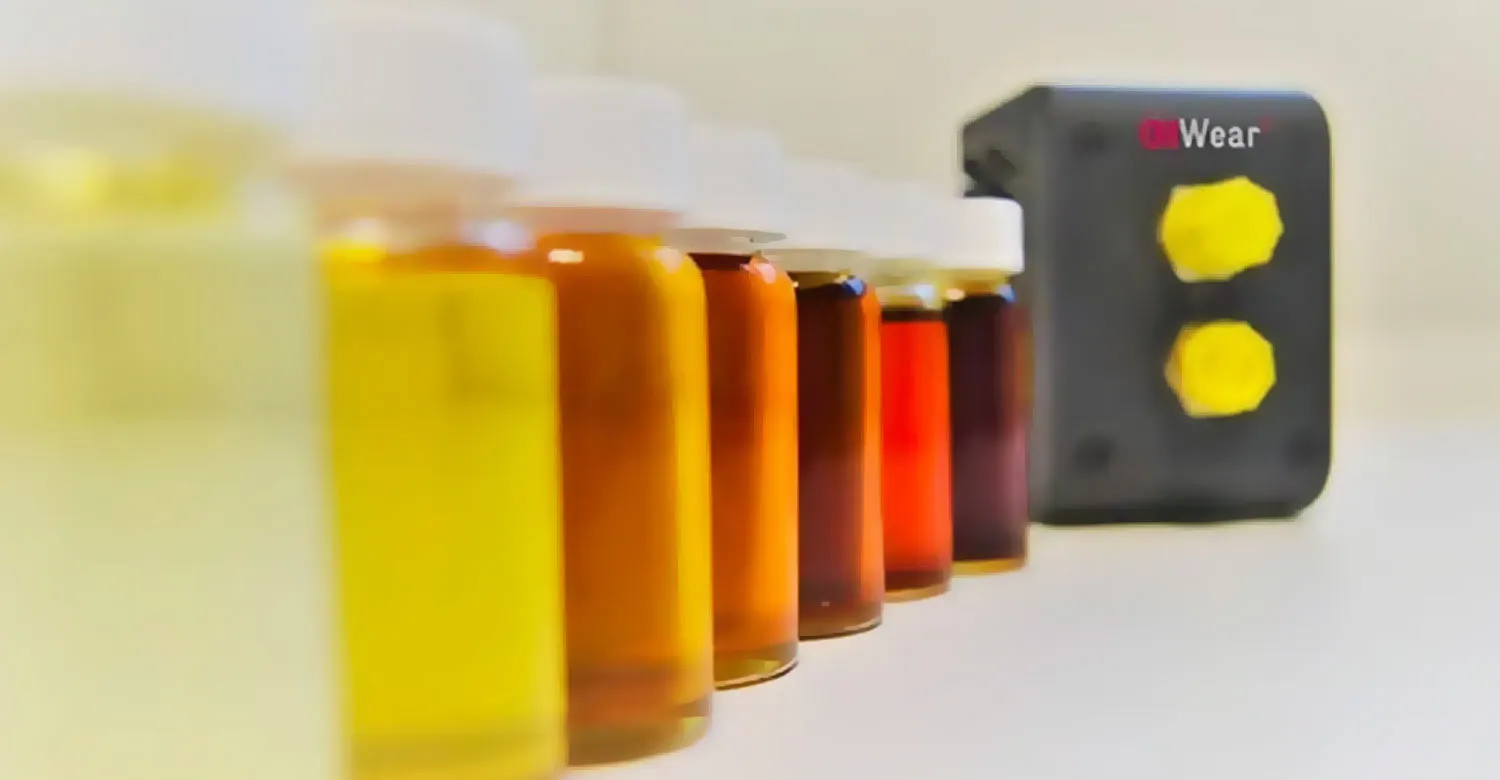
The OilHealth and OilWear sensors are capable of detecting the consequences that an excess of lubrication have on the speed of degradation and wear of the oil. The early detection of these indicators offered by the Atten2 online monitoring solutions makes it possible to apply the appropriate corrective measurers in order to prevent breakdowns.
A high degree of degradation and (accelerated) wear of the oil is an unmistakeable symptom that there is something wrong with the working of the machinery. In the case of excessive lubrication, there are two main factors that cause this deterioration:
Presence of external particles
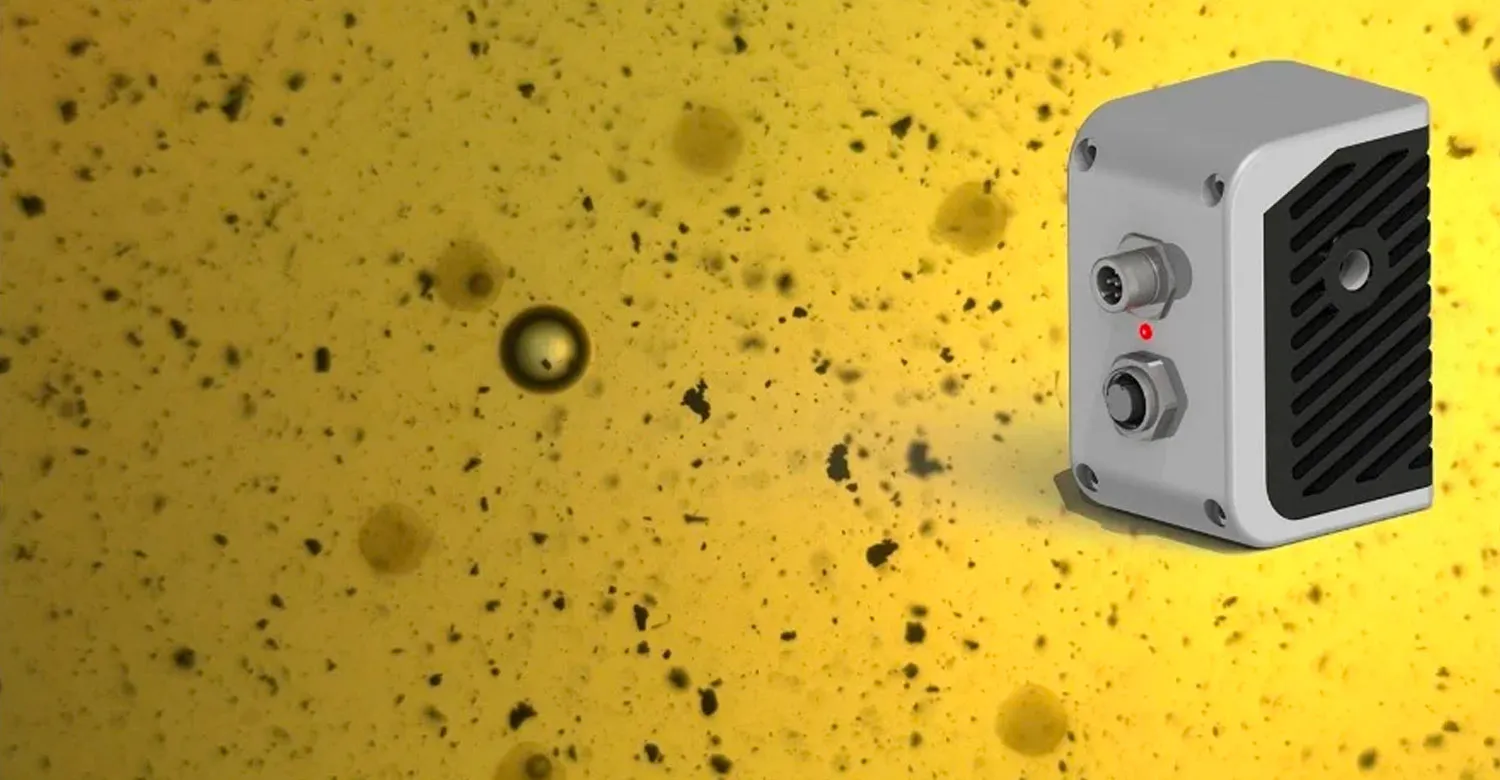
When the level of oil exceeds the capacity indicated for the machinery, there may be an overflow of the product. The lubrication oil then comes into contact with the exterior, where it is contaminated by particles of different kinds. Water, dust or fibres, among other possible materials, mix with the fluid which returns into the machine where it may produce a wearing effect.
The OilWear solution is capable of identifying the presence and nature of the foreign particles in the oil, a symptom that there has been an excess of lubrication.
Degradation caused by temperature variation
Excessive lubrication is often associated with human error, although failures in the automatic systems can never be ruled out. Whether it is done manually or by pumping, one of the most common processes that lead to overflow in the levels of lubrication is the sweetening of the oil (partial drainage of the existing oil and its replacement with new oil) and topping up to replace the lubricant that the machine has consumed naturally.
Both of these methods for balancing the oil have consequences in the general state of the fluid, which are reflected in the measurement made by the Atten2 sensors. The levels of degradation can improve if they are performed properly, but by the same token they can worsen significantly if the recommended quantities of product are exceeded.
An excess of lubrication can give rise to a variation in the temperature of the oil causing accelerated degradation. Depending on the type of machinery, an increase in temperature may be recorded as a result of the irregular distribution of the oil among its various components or a fall may arise from adding more liquid that is required to the tank, which produces a general cooling. In this second case, the decrease in temperature might increase the viscosity in the oil and thus its resistance to slipping, so that it would be pumped with less solvency. Regardless of what may be the effect of the excess of lubrication on the temperature of the oil, both an increase and a decrease lead to an abnormal operation of the oil. This behaviour, which is recorded outside the patterns of normality, is swiftly detected by the Atten2 sensors.